
On loners, a single apple, and the river we’re all standing in
No time to read? Listen here:
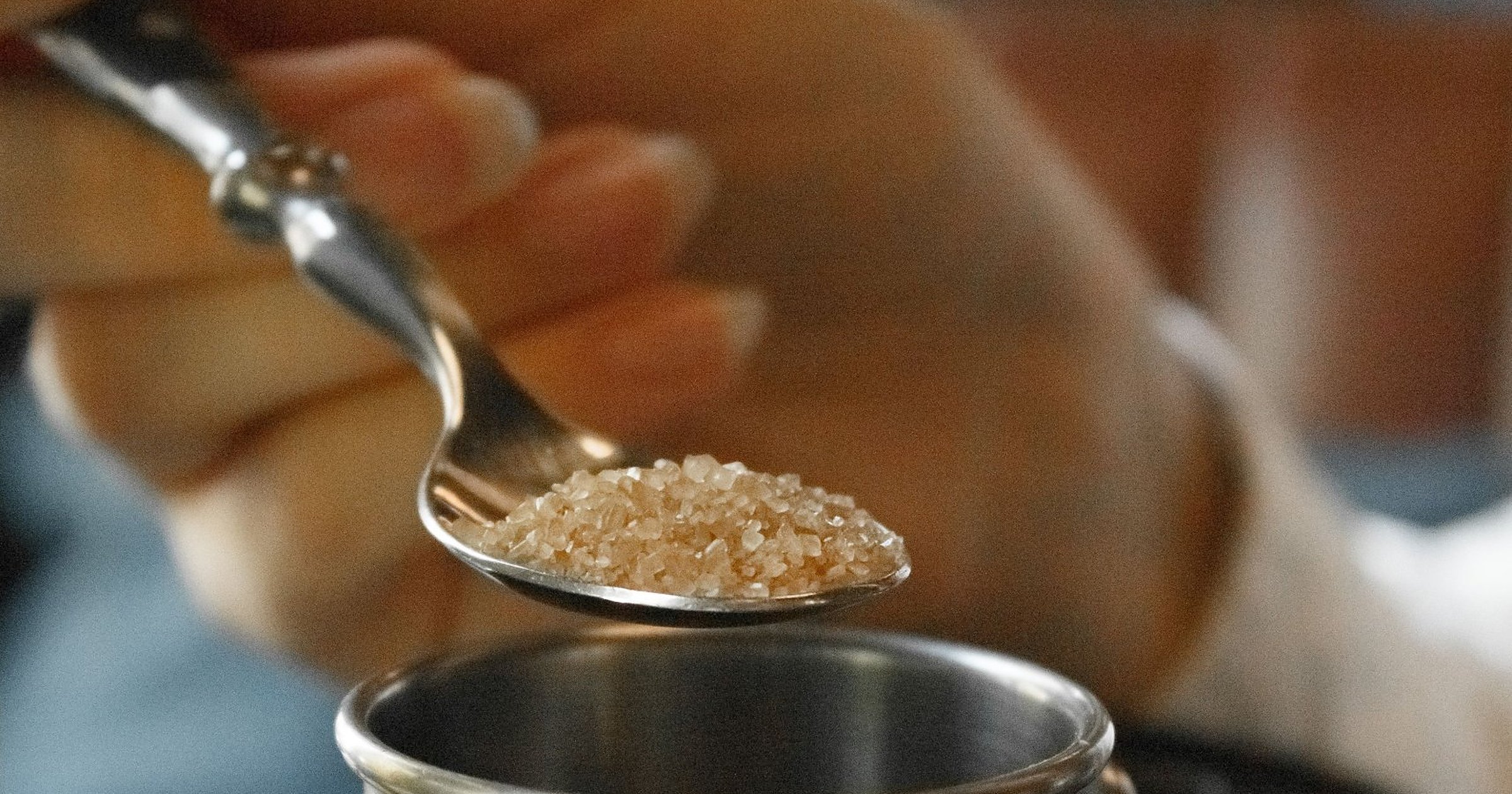
Folk singer Pete Seeger loved to tell a story about a seesaw with one end resting on the ground, weighed down by heavy rocks. The other end sits high up in the air, holding a basket with just a little sand in it. Nearby, a group of people, each carrying a single teaspoon, is adding sand to the basket, one teaspoon at a time.
Seeger said that one day, the basket would fill, the seesaw would tip, and everyone would wonder how that was possible. How could teaspoons of sand outweigh a stack of heavy rocks? The answer, of course, would be all those teaspoons accumulated slowly over time, one and then another and another. “I honestly believe,” he said, ever hopeful for positive change, “the future is going to be millions of little things saving us.”
Lately, as I’m finishing the final edits on my book, The Beautiful Road, I’ve been noticing “teaspoons” everywhere. So much of my book is about slowing down long enough to see the power in even the smallest glimmers of the hope and goodness already surrounding us. And once we start looking, teaspoons turn up in the most ordinary places.
Even in a single apple.
Ruth needs no one
Beautiful someone, picture a woman, let’s call her Ruth, at the market on an ordinary afternoon. Ruth prides herself on needing no one. She fixes her own leaky faucets, does her own taxes, and eats dinner alone most nights. She likes it that way, she’ll tell you. “I take care of myself,” she says.
At the market, she stops in the produce aisle, picks up a single Honeycrisp apple, her favorite, and drops it in her basket. It’s one of the smallest moments of her day.
And yet, in that one small motion, Ruth is holding hands with hundreds of people she’ll never meet.
Already a gift
Ruth’s apple has a story that started long before she reached for it. The first “teaspoon”: the Honeycrisp exists only because a team of people at the University of Minnesota spent years planting and cross-pollinating before finally releasing this special variety of apple in 1991. Every Honeycrisp tree since then has been started by hand, grown from a cutting that can be traced back to that very first tree.
Before Ruth’s apple ever bloomed on a branch, it was already a gift, carried forward by people she’ll never know.
From sapling to blossom
Then come the growers, each carrying a “teaspoon” of their own. Someone plants the young tree in an orchard and tends it for years before it bears a single apple. Someone prunes it in the cold of February, a ladder braced in the snow. In spring, the branches burst into pink and white blossoms, and the bees arrive, often in hives carried to the orchard by beekeepers who travel from farm to farm, because apple blossoms need bees’ help to become fruit.
All summer, hands thin crowded clusters so the remaining apples can grow full and sweet.
Someone watches the weather.
Someone checks the soil, the water, the sky.
Branch to basket
In the fall, pickers climb ladders and carefully lift each apple from the branch by hand. The apples travel to a packing house, where more hands wash them, sort them, and settle them into boxes.
A driver climbs into a truck before dawn and drives them through the night to a warehouse where someone else unloads them. Next, they are delivered to Ruth’s market, and early that morning, a produce clerk stacks them into the neat pyramid Ruth will reach into without a thought.
And I haven’t even mentioned the people who built the ladders, made the boxes, paved the roads, built the truck, or mined the steel inside it. Not to mention the cashier who rang Ruth’s groceries up at the register and sent her off with a friendly, “Have a nice day!”
Writer A.J. Jacobs once set out to thank every person who had a hand in his morning cup of coffee. He ended up thanking more than a thousand people, and said he could have kept going.
A single apple is no different. That afternoon, along with one apple, Ruth received the work, care, and hope of an entire community of strangers.
Knee-deep in the river
In The Beautiful Road, I write about a song that captures this feeling:
Kathy Mattea recorded a moving song about exactly this, “Standing Knee Deep in a River (Dying of Thirst),” written by Bob McDill, Dickey Lee, and Bucky Jones. A narrator looks back on sweethearts who got away and wonders why, then steps onto a crowded city sidewalk and hurries past strangers without a glance. The song never says why. What stays with me is the picture: someone surrounded by connection, standing knee-deep in a river, going thirsty anyway because they never stopped to drink. The river was right where they were standing all along.
So many of us are Ruth. Some of us feel alone and can’t see a way out of it. Some of us have decided we’d rather be alone, that needing people is a weakness and depending on no one is a kind of strength. I understand both. Some days, I am both.
But Ruth’s apple tells a different story. Every bite we take, not to mention every sweater we pull on and every light we switch on in the dark, arrives through a river tended by other people’s hands. We are woven together, undeniably and intricately. The most “independent” person in the world is still standing knee-deep in that river every single day.
Ruth’s apple carried the patience of a scientist, the careful hands of an orchard grower, the hum of a thousand bees, the early alarm of a truck driver, and the care of a produce clerk she never knew. All of that, for the privilege of choosing a favorite apple on an ordinary afternoon.
If that much love can travel into a single apple, imagine how much is flowing toward you right now, in your coffee, your sweater, your morning, your life.
Bring your own teaspoon
So here’s a small invitation for this week, beautiful someone. Pick up one ordinary thing: an apple, a cup of coffee, a warm sweater, the book on your nightstand. Hold it for a moment and picture the hands that dreamed it up, grew it, made it, carried it, and placed it in your hands.
Say a quiet thank you to all of them.
And then, maybe bring your own teaspoon to add a small kindness where it might be needed: learn the name of the barista who makes your morning latte, leave a glowing review for a small business you love, wave a real thank-you to the driver dropping a package at your door, or text a friend who’s been on your mind.
You may find, as I have, that loneliness loosens its grip when you realize how many people have been quietly taking care of you all along. And if you’re a proud loner like Ruth, you may discover something even better: needing each other takes courage. It means opening our hands, admitting we’re part of something bigger, and knowing the world holds us up, the way it always has and always will.
And every teaspoon you add sends some of that love back into the world.
We are never alone, beautiful someone. Not for one moment.
Safe travels along your Beautiful Road,
Diana